
Kindergarten Life Cycles & Nature Exploration: Discovering the World Through Observation (Ages 5-6)
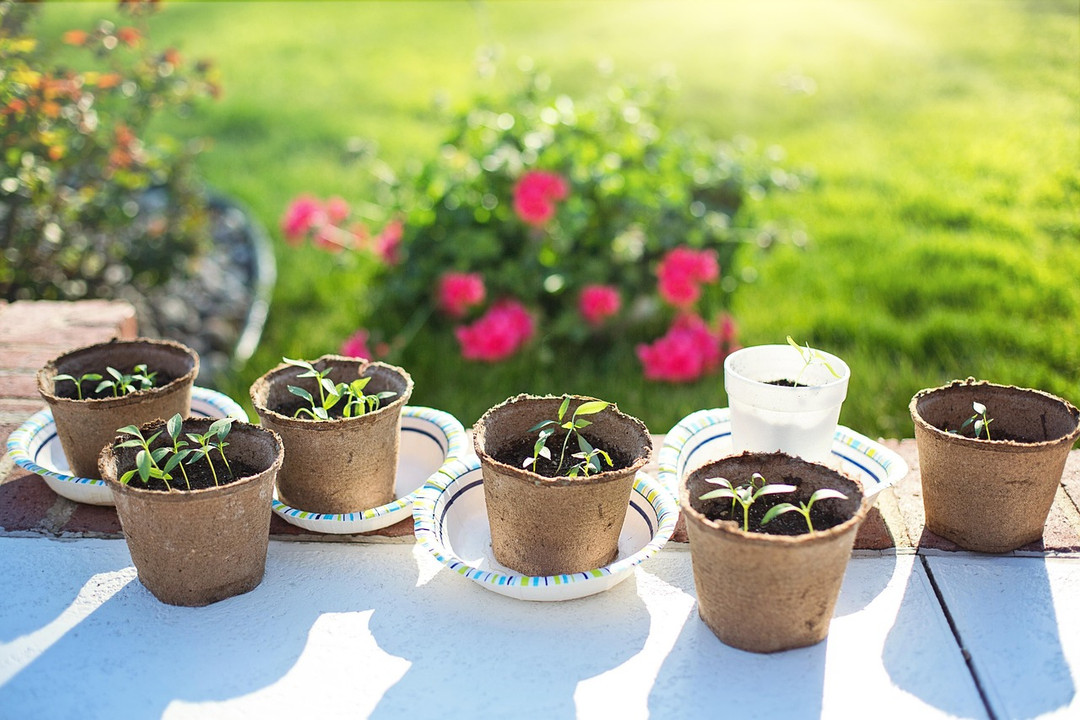
Nurture curiosity and observation skills through life cycles, habitats, and hands-on nature exploration. Connect science learning to reading, writing, and real-world wonder.
Introduction
Your kindergartener notices everything about the natural world. They spot the caterpillar inching across the sidewalk. They wonder where butterflies come from. They ask why leaves change colors, how tadpoles become frogs, and what animals eat in winter.
This natural curiosity is pure gold for learning.
The beautiful thing about teaching life cycles and nature exploration in kindergarten? You don't need fancy equipment or a science degree. You need observation time, a few living things to watch, and the willingness to wonder alongside your students.
Life cycles are perfect for kindergarten because they're concrete, observable, and absolutely captivating. Plant a seed and watch it sprout. Bring caterpillars into your classroom and witness the transformation to butterflies. Study photos of tadpoles growing legs. These aren't abstract concepts—they're real changes happening right before their eyes.
Whether you're a homeschool mom creating nature study routines, a kindergarten teacher integrating science into your literacy block, or a parent wanting to support your child's curiosity about the natural world—hands-on observation of life cycles and habitats provides rich, engaging learning.
Here's what makes this approach powerful: observation and documentation of real living things naturally integrates with reading (informational texts about animals and plants), writing (recording what we see, labeling diagrams, writing facts), and language development (learning and using descriptive vocabulary).
This comprehensive guide shows you how to teach life cycles, explore habitats, and nurture scientific thinking through nature exploration—with practical activities that work in any setting.
What you'll discover:
Life Cycles That Captivate:
- Butterfly metamorphosis (the most magical!)
- Frog life cycle (from tadpole to frog)
- Plant life cycle (seed to flower to seed again)
- Chicken life cycle (from egg to chick)
- Seasonal changes in trees and nature
Habitats and Animal Needs:
- What animals need to survive (food, water, shelter, space)
- Different animals live in different places
- Adaptations help animals survive
- Creating habitat models and dioramas
Observation and Documentation:
- Teaching careful observation skills
- Drawing what you see (scientific illustration for kindergarteners)
- Recording changes over time
- Using descriptive language
- Science journals for young learners
Seasonal Nature Study:
- Fall observations (leaves, seeds, weather changes)
- Winter explorations (animal preparations, weather)
- Spring discoveries (new growth, baby animals, rain)
- Summer learning (insects, flowers, warmth)
Integration with Literacy:
- Reading informational texts about animals and plants
- Writing observations and facts
- Learning content vocabulary in context
- Comparing and contrasting (Common Core connections)
Let's help your kindergarteners slow down, look closely, and discover the incredible transformations happening in the natural world all around them!
Why Life Cycles Are Perfect for Kindergarten Learning
Life cycles capture everything that makes kindergarten learning effective: they're hands-on, observable over time, connected to real life, and genuinely exciting to five-year-olds.
What Makes Life Cycles Engaging
They're visible and concrete Kindergarteners think concretely. Abstract concepts are hard. But a caterpillar forming a chrysalis? A seed sprouting roots? A tadpole growing legs? These are real changes they can see with their own eyes.
No imagination required. No complex explanations needed. The transformation speaks for itself.
They happen on kindergarten time scales Some science concepts take years to observe. Life cycles happen in weeks or months—perfect for maintaining kindergarten attention and memory.
Plant a bean seed in September, harvest beans in November. Order caterpillars in April, release butterflies in May. The timeframe fits beautifully into the school year.
They connect to literacy naturally Studying butterflies? Read "The Very Hungry Caterpillar" by Eric Carle. Learning about frogs? Read informational books about tadpoles. Observing plants? Read "The Tiny Seed."
Life cycle study provides perfect context for reading informational texts, learning new vocabulary, and writing observations—all Common Core literacy standards!
They inspire wonder and questions How does a caterpillar know when to make a chrysalis? How does the plant know which way to grow? What happens inside the egg before the chick hatches?
These authentic questions drive learning. Students genuinely want answers, so they pay attention, observe carefully, and remember what they discover.
They build patience and observation skills In our fast-paced world, watching a seed grow teaches patience. Checking on caterpillars daily builds observation routines. Waiting for the butterfly to emerge develops anticipation and delayed gratification.
These are life skills wrapped in science learning.
Connection to Common Core Standards
While life cycles aren't explicitly in Common Core (which focuses on literacy and math), they support numerous standards:
Reading Informational Text:
- RI.K.1: Ask and answer questions about key details
- RI.K.2: Identify main topic and retell key details
- RI.K.3: Describe connection between individuals, events, or ideas
- RI.K.7: Describe relationship between illustrations and text
Writing:
- W.K.2: Informative/explanatory writing (writing facts about life cycles)
- W.K.8: Recall information from experiences (recording observations)
Speaking and Listening:
- SL.K.4: Describe familiar things (describing what they observe)
- SL.K.5: Add visual displays (drawings of life cycles)
Language:
- L.K.6: Use words and phrases acquired through conversations and reading (life cycle vocabulary)
Life cycles provide rich content for practicing literacy skills in meaningful, engaging ways!
The Butterfly Life Cycle: The Most Magical Transformation
If you do only ONE life cycle study with kindergarteners, make it butterflies. It's the most dramatic, visible, and captivating transformation.
Why Butterfly Life Cycle Is Kindergarten Gold
The complete metamorphosis—caterpillar to chrysalis to butterfly—is astounding even to adults. For five-year-olds, it's pure magic grounded in reality.
Plus, it's doable! You can order live caterpillars online (Insect Lore, Carolina Biological Supply), observe the entire cycle in 3-4 weeks, then release the butterflies. No ongoing care required after release. Perfect for classroom or homeschool.
The Four Stages
Stage 1: Egg Tiny eggs laid on leaves (usually milkweed for Monarchs, other plants for Painted Ladies)
What kindergarteners observe: Very small, hard to see without magnification. May not observe this stage if ordering caterpillars.
Stage 2: Larva (Caterpillar) Hatches from egg, eats constantly, grows rapidly, sheds skin multiple times
What kindergarteners observe:
- Caterpillar eating (if you provide food)
- Growing bigger day by day
- Shedding skin (molting)
- Lots of frass (caterpillar poop!)
This stage lasts 1-2 weeks with Painted Lady butterflies.
Stage 3: Pupa (Chrysalis) Caterpillar attaches to surface, forms chrysalis around itself, transforms inside
What kindergarteners observe:
- Caterpillar hanging upside down in "J" shape
- Skin splitting, chrysalis forming underneath
- Chrysalis changing colors (clearer near emergence)
- Complete stillness (looks like nothing is happening, but transformation is occurring inside!)
This stage lasts 7-10 days.
Stage 4: Adult (Butterfly) Butterfly emerges, pumps up wings, dries, flies away
What kindergarteners observe:
- Chrysalis darkening (wings visible through it)
- Butterfly pushing out
- Wings crumpled and wet
- Butterfly pumping fluid into wings
- Wings expanding and drying
- First flight!
This is the moment everyone waits for! Pure joy.
How to Do Butterfly Study in Your Classroom or Homeschool
Order Live Caterpillars
Two main options:
Painted Lady Butterflies (easiest, most reliable):
- Insect Lore Butterfly Garden (around $30-40)
- Includes 5 caterpillars, food, habitat
- Caterpillar to butterfly in 3-4 weeks
- Native to North America, safe to release
Monarch Butterflies (more challenging but spectacular):
- Need milkweed plants (their only food source)
- Can raise if you find eggs/caterpillars on milkweed in your area
- Longer cycle (4-6 weeks)
- Migration patterns make them extra interesting!
Timeline:
Week 1: Caterpillars arrive, eat and grow Week 2: Form chrysalises Week 3: Butterflies emerge! Week 4: Observe butterflies, then release
Daily Observations
Keep observation routine:
- Check caterpillars/chrysalises each day
- Draw what you see
- Measure growth (if possible)
- Note changes
- Record in science journals
Questions to Ask:
During caterpillar stage:
- "How has the caterpillar changed since yesterday?"
- "What do you notice about how it moves?"
- "Why do you think it eats so much?"
During chrysalis stage:
- "What do you think is happening inside the chrysalis?"
- "Do you see any changes in the chrysalis color?"
- "How long has it been in the chrysalis now?"
During butterfly stage:
- "How are the butterfly's wings different from the caterpillar's body?"
- "Why do you think the butterfly needs to pump up its wings?"
- "What do you think the butterfly will do when we release it?"
Integration with Literacy and Writing
Read-Alouds:
- "The Very Hungry Caterpillar" by Eric Carle (fiction, but beloved!)
- "From Caterpillar to Butterfly" by Deborah Heiligman (Let's-Read-and-Find-Out Science)
- "Waiting for Wings" by Lois Ehlert
- National Geographic Readers: "Caterpillar to Butterfly"
Writing Activities:
- Daily observation journals (draw and label)
- Fact sentences: "Caterpillars eat a lot." "Butterflies have four wings."
- Sequence writing: First, next, then, last
- "All About Butterflies" informational books
Vocabulary:
- caterpillar, chrysalis, butterfly, metamorphosis
- larva, pupa, adult
- antennae, wings, proboscis
- transform, emerge, molt
Releasing the Butterflies
This is a celebration!
Take students outside, open habitat, let butterflies fly away. Some teachers create a ceremony—singing a butterfly song, saying goodbye, wishing them well.
Watching something you've cared for fly away into the big world? Powerful emotional learning alongside the science.
The Frog Life Cycle: From Water to Land
Frogs undergo incredible transformation from water-dwelling tadpoles to land-dwelling adults. It's dramatic and observable!
The Frog Life Cycle Stages
Stage 1: Eggs (Frog Spawn) Jelly-like mass of eggs in water
Stage 2: Tadpole (Hatches from Egg)
- Lives entirely in water
- Has tail, no legs
- Breathes through gills
- Eats algae
Stage 3: Tadpole with Legs
- Back legs appear first
- Front legs develop
- Tail begins to shrink
- Starts eating insects
Stage 4: Froglet
- Has all four legs
- Tail almost gone
- Developing lungs (can breathe air!)
- Beginning to leave water
Stage 5: Adult Frog
- No tail
- Lives on land (visits water)
- Breathes with lungs
- Eats insects
Teaching Frog Life Cycle
Option 1: Observe with Photos and Videos
For many classrooms, this is the easiest approach:
- Use high-quality photos showing each stage
- Watch videos of tadpole development
- Read informational books about frogs
- Create life cycle wheels or sequencing activities
Option 2: Raise Live Tadpoles
More involved but incredibly engaging!
You can order tadpoles from biological supply companies or (if you live near ponds) collect frog eggs in spring.
What you need:
- Large aquarium or clear container
- Pond water or dechlorinated tap water
- Tadpole food (algae wafers, boiled lettuce)
- Rocks for climbing as they develop legs
Timeline: 6-12 weeks depending on species
Daily observations:
- Draw tadpole
- Measure size
- Count legs as they develop
- Note tail length
- Watch for breathing changes
Release: When metamorphosis is complete (four legs, no tail, lungs developed), release frogs back to pond habitat.
Frog Life Cycle Activities
Sequencing: Give students pictures of frog stages out of order. Can they put them in correct sequence?
Life Cycle Wheel: Create paper plate with arrow. Rotate to show different stages.
Movement Activity: Students act out stages:
- Egg: curl in ball
- Tadpole: wiggle on ground
- Tadpole with legs: crawl
- Froglet: hop a little
- Adult frog: hop around!
Compare and Contrast: Use Venn diagram. How are tadpoles and adult frogs the same? Different?
Informational Writing: "Frogs start as eggs. Then they become tadpoles. Tadpoles live in water. Then they grow legs. Finally they become frogs."
Frog Literature Connections
- "From Tadpole to Frog" by Wendy Pfeffer
- "A Frog's Life" by Nancy Dickmann
- "National Geographic Readers: Frogs!"
- "Tadpole to Frog" by Kathryn Smithyman
The Plant Life Cycle: Growth You Can Watch Daily
Plants offer the most accessible life cycle study because you can actually DO it—plant seeds, observe germination, watch growth, see flowers and seeds form.
The Plant Life Cycle Stages
Stage 1: Seed Contains baby plant and stored food
Stage 2: Germination (Sprouting) Seed absorbs water, splits open, root emerges first, then shoot
Stage 3: Seedling Young plant with first leaves, growing roots and stem
Stage 4: Mature Plant Fully grown plant with many leaves, strong stem, developed roots
Stage 5: Flowering Plant produces flowers (reproduction structures)
Stage 6: Seed Production Flowers are pollinated, produce seeds, cycle begins again
Best Plants for Kindergarten Observation
Fast-Growing Seeds (See Results Quickly!):
Bean Seeds
- Germinate in 5-7 days
- Large enough to see easily
- Can even dissect dry bean to see baby plant inside!
- Grow tall quickly (great for measuring!)
Sunflower Seeds
- Germinate in 7-10 days
- Grow into impressive tall plants
- Produce large flowers
- Harvest seeds at end!
Radish Seeds
- Germinate in 3-5 days (fastest!)
- Can harvest and eat radishes (full cycle in 30 days!)
- Students see purpose (food!)
Grass Seeds
- Germinate in 5-7 days
- Fast growth
- Can create grass "hair" on decorated cups (fun!)
Marigold Seeds
- Beautiful flowers
- See full cycle from seed to flower to new seeds
- Attract butterflies!
Planting and Observation Schedule
Week 1: Planting
- Examine dry seeds (small, hard, dormant)
- Plant in soil or clear cups (so you can see roots!)
- Water
- Predict: What will happen?
Week 2: Germination
- Check daily for sprouts
- Draw first sign of growth
- Measure when shoot appears above soil
Weeks 3-6: Growth
- Measure weekly (how tall?)
- Count leaves
- Draw plant
- Describe changes
Weeks 7+: Flowering and Seeds (If your plant reaches this stage)
- Observe flowers
- Pollination discussion (bees, wind)
- Watch seeds form
- Harvest seeds—the cycle continues!
Plant Investigation: What Do Plants Need?
This is perfect for kindergarten scientific thinking!
Question: What do plants need to grow?
Experiment Setup:
Plant 3-4 identical seeds in identical containers:
- Plant 1: Water + Light (normal conditions)
- Plant 2: Water + No Light (dark closet)
- Plant 3: No Water + Light
- Plant 4 (optional): Water + Light but very cold
Predict: Which plant will grow best? Why?
Observe: Check plants daily or every few days for 2-3 weeks
Record: Draw each plant, measure height, note color
Conclude:
- Plant with water AND light grows best
- Plant without light grows pale/yellow, weak
- Plant without water wilts, dies
- Plants need BOTH water and light!
This investigation teaches:
- Plants have needs
- Changing one thing (variable) shows what matters
- We can learn by testing and observing
- Evidence supports conclusions
Plant Life Cycle Writing Activities
Sequence Writing: "First the seed is planted. Next it sprouts. Then it grows bigger. Last it makes flowers."
Informational Writing: "Plants need water and sun. They grow from seeds. Seeds have baby plants inside."
Observation Journals: Draw plant each week. Write what changed.
Labeling: Draw plant. Label: roots, stem, leaves, flower
Literature Connections for Plant Study
- "The Tiny Seed" by Eric Carle
- "From Seed to Plant" by Gail Gibbons
- "A Seed Is Sleepy" by Dianna Hutts Aston
- "Planting a Rainbow" by Lois Ehlert
- "How a Seed Grows" by Helene J. Jordan
Exploring Habitats: Where Animals Live
Understanding that different animals need different environments is foundational science learning—and perfect for kindergarten!
What Is a Habitat?
A habitat is the natural home where an animal lives. It provides everything the animal needs:
- Food
- Water
- Shelter (protection, place to sleep/raise young)
- Space
Different animals need different habitats because they have different needs and adaptations.
Teaching Habitats to Kindergarteners
Start with Familiar Animals
Before exotic habitats, talk about animals students know:
"Where does your dog live?" (House, yard—needs food, water, shelter from our family) "Where do birds live?" (Trees, nests—need seeds/insects, water from bird bath) "Where do fish live?" (Water—can't breathe air, need food in water)
This builds the concept: animals live where their needs can be met.
Major Habitat Types for Kindergarten
Forest/Woods Animals: deer, squirrels, owls, foxes, rabbits, woodpeckers What habitat provides: trees for shelter and food (nuts, leaves), water from streams
Ocean/Sea Animals: fish, whales, sharks, octopus, sea turtles, dolphins What habitat provides: salt water to breathe/live in, food (smaller fish, plankton)
Desert Animals: camels, lizards, snakes, scorpions, roadrunners What habitat provides: hot, dry environment (animals adapted to little water), sand for burrowing, cactus for food/water
Arctic/Polar Animals: polar bears, penguins, seals, arctic foxes, walruses What habitat provides: cold environment (thick fur/fat keeps warm), ice/snow, fish in cold ocean
Rainforest Animals: monkeys, parrots, tree frogs, jaguars, sloths, toucans What habitat provides: lots of trees, warm and wet, abundance of food, layers (canopy, forest floor)
Pond/Wetland Animals: frogs, ducks, turtles, dragonflies, fish, beavers What habitat provides: shallow water (not ocean-deep), plants in/around water, insects
Grassland/Savanna Animals: lions, elephants, zebras, giraffes, gazelles (African savanna), bison, prairie dogs (American prairie) What habitat provides: wide open grass, few trees, large grazing areas
Habitat Study Activities
Habitat Sorting
Give students animal pictures. Sort by habitat:
- Which animals live in ocean?
- Which live in forest?
- Which live in desert?
Start with obvious ones, add challenging ones as understanding grows.
Habitat Dioramas
Students create 3D model of habitat in shoebox:
- Ocean: blue paper, sand on bottom, fish hanging from top, shells
- Forest: brown/green paper, cotton trees, woodland animals
- Desert: sand, cactus (clay or paper), desert animals
Why dioramas work: Students must think about what that environment actually looks like and what the animal needs there.
Matching Animals to Needs
"Polar bears have thick fur and fat. Why?" (Keeps them warm in cold arctic) "Fish have gills. Why?" (Breathe underwater) "Camels store water and fat in humps. Why?" (Survive in desert with little water)
This connects adaptations to habitat!
Habitat Walk
Take students outside. Observe:
- "This is our habitat! What animals live here?"
- Look for birds, insects, squirrels
- "Why can they live here? What do they find?" (Food, water, shelter)
Make it personal and local!
Compare Two Habitats
Venn diagram comparing ocean and desert:
- Ocean: water everywhere, fish, salty
- Desert: almost no water, hot, sandy
- Both: animals live there, animals have special adaptations
Habitat Writing Activities
All About Books: "All About the Ocean"
- Page 1: What ocean looks like
- Page 2: Animals that live there
- Page 3: What they eat
- Page 4: Interesting facts
Informative Sentences: "Polar bears live in the Arctic. They have thick fur. They eat fish and seals."
Labeling: Draw habitat, label parts (water, trees, sand, etc.) and animals
Seasonal Changes: Observing Nature Through the Year
Seasons provide natural progression for observation and discussion of how living things respond to changes.
Fall: Changes and Preparation
What to Observe:
- Leaves changing colors and falling
- Weather getting cooler
- Days getting shorter
- Animals preparing for winter (storing food, growing thicker fur)
- Seeds and nuts falling
Kindergarten Activities:
Leaf Collection and Sorting Collect leaves on nature walk. Sort by color, size, shape. Press between waxed paper. Create leaf rubbings.
Seed and Nut Observation Collect acorns, pinecones, seeds. Observe: How do seeds travel? (wind, animals, water)
Tree Observation Choose one tree. Photograph it monthly. Watch changes over seasons.
Animal Preparation Discussion How do animals get ready for winter?
- Squirrels gather nuts
- Bears eat lots to gain fat
- Birds fly south (migration)
- Some animals grow thicker fur
Fall Writing: "In fall, leaves change colors. They turn red, orange, and yellow. Then they fall down."
Winter: Survival and Adaptation
What to Observe:
- Cold temperatures
- Shorter days, longer nights
- Snow/ice (if in your region)
- Many trees bare (no leaves)
- Fewer animals visible outside
- Birds at feeders
Kindergarten Activities:
Bird Watching and Feeding Hang bird feeder outside window. Observe daily:
- How many birds?
- What kinds?
- What do they eat?
This teaches: Some animals stay active in winter, need food.
Winter Tree Observation Notice: deciduous trees lost leaves, evergreens still green. Why?
Snow/Ice Investigations (If you have snow)
- Bring snow inside, watch it melt
- Make ice, observe freezing
- Track snowflake shapes
- Measure snowfall
Animal Winter Survival Where did summer animals go?
- Hibernation (bears, groundhogs sleep through winter)
- Migration (many birds fly to warm places)
- Stay active (deer, rabbits, some birds adapt)
Winter Writing: "In winter it is cold. Some animals hibernate. Birds need food."
Spring: Growth and New Life
What to Observe:
- Weather warming
- Days getting longer
- Trees budding and leafing
- Flowers blooming
- Baby animals appearing
- Birds returning, building nests
- Lots of rain!
Kindergarten Activities:
Plant Growth Observations Perfect time to plant seeds! Watch germination and growth (as detailed in plant life cycle section).
Spring Walk Go outside. Notice:
- New green shoots
- Flower buds
- Bird activity (building nests, singing)
- Insects emerging
Weather Charting Track daily weather. Notice spring patterns: more rain, warming temperatures, mix of sun and clouds.
Baby Animal Study Many animals have babies in spring!
- Chicks hatching from eggs
- Fawns being born
- Birds in nests
- Tadpoles in ponds
Spring Writing: "In spring, flowers bloom. Baby animals are born. Trees grow new leaves."
Summer: Warmth and Abundance
What to Observe:
- Hot temperatures
- Longest days of the year
- Lots of flowers
- Many insects (butterflies, bees, ants)
- Green everywhere
- Fruits and vegetables growing
Kindergarten Activities:
Insect Observation Summer is FULL of insects!
- Catch and release (carefully observe then let go)
- Watch ants
- Observe butterflies on flowers
- Listen to crickets and cicadas
Flower and Fruit Study
- Observe garden vegetables growing
- Pick flowers, dissect to see parts
- Notice pollinators (bees on flowers)
Shadow Play Long sunny days perfect for shadow exploration:
- Trace shadows at different times
- Notice shadows change as sun moves
- Make shadow puppets
Summer Writing: "Summer is hot and sunny. Many insects fly around. Flowers are blooming."
Teaching Observation Skills: Looking Closely at Nature
Observation is the foundation of all science. Teaching kindergarteners to observe carefully is a gift that serves them forever.
How to Teach Close Observation
Slow Down
Our world moves fast. Observation requires slowing down, being still, noticing details.
Model this: "I'm going to look at this leaf very carefully. First I notice the color—it's green, but not all one green. Some parts are darker. Now I'm looking at the edge—it has little points, like teeth. Now I'm feeling it—smooth on top, bumpy underneath..."
Use All Senses
Safe observations use:
- See: What do you see? Colors, shapes, sizes, patterns
- Touch: How does it feel? Rough, smooth, bumpy, soft, hard
- Hear: What sounds? Rustling, chirping, buzzing
- Smell: What does it smell like? (Only safe things!)
(Taste only if teacher says it's safe—and usually, we don't taste science materials!)
Ask Observation Questions
Not quiz questions, but genuine wondering:
- "What do you notice?"
- "What's different from yesterday?"
- "What details do you see?"
- "How has it changed?"
- "What's the same? What's different?"
Use Tools to Observe Better
Magnifying Glasses Make small things visible! Kindergarteners love these. Look at:
- Leaf veins
- Insect body parts
- Flower centers
- Seeds
- Fabric weave
Rulers Measure to observe growth, size, distance:
- How tall is the plant?
- How big is this leaf?
- How far did it move?
Clear Containers Observe from all angles:
- Seeds sprouting in clear cups (see roots!)
- Insects in observation jars
- Objects in water (sink/float)
Cameras/Tablets Photograph to:
- Capture for later comparison
- Zoom in on details
- Create documentation
Drawing as Observation
Drawing forces careful looking. You can't draw what you haven't really seen.
Scientific Illustration for Kindergarten:
Not cartoon drawing—realistic drawing based on observation.
Steps:
- Look carefully at the object
- Notice the shape - What's the overall shape?
- Add details - What details do you see? Draw them.
- Add color - What colors? Use them realistically.
- Label parts (if you know names)
Example: Drawing a flower
- Not a simple circle with petals (cartoon)
- Look at actual flower: How many petals? What shape? What's in the center?
- Draw what you actually see!
This builds both observation and fine motor skills!
Observation Journals
Simple science notebooks where students record what they see:
Each entry includes:
- Date
- What I observed (drawing)
- Labels
- What I noticed (simple sentence or dictated)
Why journals matter:
- Create documentation over time
- Show changes and growth
- Build routine of regular observation
- Practice drawing and writing with purpose
Integrating Life Cycles and Nature Study Across Your Day
You don't need a separate "science time" for this learning to happen! Nature study weaves beautifully through literacy, math, and daily routines.
During Literacy Block
Read-Alouds:
- Informational texts about animals, plants, seasons, habitats
- Fiction with nature themes
Informational Writing:
- "All About" books (All About Frogs, All About Butterflies)
- Fact sentences about what we're observing
- Labels and diagrams
- Sequence writing (life cycles)
Reading Comprehension: After reading about animal, ask:
- Where does it live?
- What does it eat?
- How does it protect itself?
- What's interesting about it?
Vocabulary Development: Learn words in context:
- metamorphosis, chrysalis, habitat, adaptation
- germinate, sprout, roots, stems
- migrate, hibernate, camouflage
During Math Time
Measurement:
- Measure plant growth weekly
- Measure caterpillar length
- Compare sizes of seeds, leaves, animals (in pictures)
Graphing:
- Graph daily weather for month
- Graph types of birds seen at feeder
- Graph colors of fall leaves collected
Counting:
- Count seeds in pumpkin
- Count petals on flowers
- Count days until butterfly emerges
- Count leaves on plant
Sorting and Classifying:
- Sort animals by habitat
- Sort leaves by shape or color
- Sort seeds by size
Patterns:
- Notice patterns in nature (flower petals, butterfly wings, leaf arrangements)
- Create patterns with natural materials (acorn, pinecone, acorn, pinecone...)
During Writing Time
Students can write about what they're observing:
- Observation journal entries
- Letters to caterpillars or plants (fun!)
- "How-to" books (How to Plant a Seed, How to Take Care of a Butterfly)
- Opinion writing (My favorite season is... because...)
During Art Time
Nature-inspired art:
- Drawing real plants and animals (observation-based)
- Leaf rubbings and prints
- Nature collages
- Life cycle illustrations
- Habitat scenes
During Outdoor Time/Recess
- Nature walks with observation focus
- Collecting natural materials (leaves, sticks, rocks—not living things!)
- Bird watching
- Cloud watching
- Seasonal scavenger hunts
Learning happens everywhere when you're paying attention to the natural world!
Simple Materials for Nature Study
You don't need expensive equipment! Here's what actually helps:
Observation Tools
Magnifying Glasses (5-10 for class, 1-2 for homeschool) Best investment! Makes everything more interesting. Cost: Around $10-15 for class set
Clear Containers Jars, plastic cups, clear storage boxes for observing insects, seeds, water investigations Cost: Use what you have or dollar store
Rulers and Measuring Tape For measuring growth, comparing sizes Cost: $5-10
Notebooks or Journals For recording observations Cost: Composition notebooks work great, $1-2 each
Butterfly Habitat Kit For raising butterflies Cost: $30-40 from Insect Lore Worth every penny for the experience!
Natural Materials (Free!)
From nature walks:
- Leaves (press between waxed paper)
- Seeds, acorns, pinecones
- Sticks
- Rocks
- Flowers (only if abundant, never pick rare plants)
- Shells (if you're near water)
Growing Supplies
For plant life cycle study:
- Seeds (beans, sunflowers, fast-growing varieties)
- Soil or potting mix
- Small pots or clear cups
- Water
Cost: Under $10 for enough to do class planting
Books
Library is your friend! Check out:
- Informational books about animals, plants, habitats, seasons
- Field guides for your region (birds, insects, plants)
- Photography books showing close-up nature images
Cost: Free from library!
Total Investment
Basic nature study setup: $50-75 With butterfly kit: $80-100
Much of it reusable year after year!
Connecting to Your Complete Kindergarten Curriculum
Our Complete Kindergarten Curriculum weaves nature study and observation throughout the year in developmentally appropriate ways.
What's Included Month by Month:
September-October: Fall observations, pumpkin investigations, leaf studies, seasonal changes—perfect for beginning-of-year observation skill building.
November: Animal needs and habitats, Thanksgiving nature themes, preparing for winter observations.
December-January: Winter weather observations, seasonal changes, hibernation and adaptation discussions.
February: Groundhog Day connections to seasons, Valentine's Day nature themes, continued observation practice.
March: Spring arrival, plant life cycle begins, seed planting, St. Patrick's Day nature connections.
April-May: Full plant growth observations, butterfly life cycle (perfect timing!), Earth Day environmental awareness, spring in full bloom, insect studies, end-of-year nature celebrations.
Each month includes:
- Age-appropriate nature observation activities
- Literature connections (informational and fiction)
- Writing prompts related to nature themes
- Seasonal art projects
- Vocabulary development
- Real-world connections to student lives
The curriculum doesn't isolate "science" as separate subject, but integrates observation of living things naturally through literacy, art, and discovery time—exactly how kindergarteners learn best!
Explore the full year: CLICK HERE ↗
Or if you prefer flexibility, individual monthly units available: CLICK HERE↗
Common Questions About Teaching Life Cycles and Nature Study
Do I need to know a lot about science to teach this?
Not at all! You need curiosity and willingness to observe alongside your students. When they ask questions you don't know, say "Great question! Let's find out!" Look it up together in books or online. Model being a learner.
What if we don't have outdoor space?
You can still:
- Grow plants on windowsill
- Raise butterflies indoors
- Observe weather from window
- Take nature walks to parks
- Bring nature inside (leaves, pinecones, rocks to observe)
Even city classrooms can study nature!
How much time does this take?
Daily: 5-10 minutes checking on living things (plants, caterpillars), recording quick observation
Weekly: 20-30 minutes for focused nature study, observation journal entry, related reading/writing
It doesn't require separate "science period"—it weaves into literacy and daily routines!
What if our butterflies don't survive?
Sometimes caterpillars don't make it to butterfly stage. This is real science! Talk about it:
- "In nature, not all caterpillars survive. This is normal."
- "Scientists observe what actually happens, not just what we hope."
- "We're sad, but we learned a lot from watching."
If most of your caterpillars thrive, the experience is still worth it!
Can we do this if I'm homeschooling just one child?
Absolutely! In fact, individual observation can be even richer. Your child can:
- Spend as long as they want observing
- Move at own pace
- Document in detail
- Develop personal connection with living things they're caring for
What about children who are scared of insects?
Start with observation from distance. Use photos and videos. Don't force hands-on.
Many children overcome fear through gentle exposure—watching caterpillars become butterflies can transform "scary bugs" into "beautiful creatures!"
Never shame fear. Validate it and offer choices.
How do I assess this learning?
Look at:
- Observation journals (are drawings detailed? do they notice changes?)
- Oral descriptions (can they describe what they see using descriptive words?)
- Questions they ask (are they curious? wondering why?)
- Writing about what they observe
- Ability to sequence life cycles
Assessment is more about process (observing, wondering, recording) than memorizing facts!
Conclusion: Nurturing Wonder and Curiosity
Teaching life cycles and nature study to kindergarteners isn't about covering content or checking off standards. It's about nurturing the natural curiosity they already have and teaching them to look closely at the world around them.
When your kindergartener watches a seed sprout, sees a caterpillar transform into a butterfly, or notices how trees change through the seasons, they're learning that the world is full of wonder and discovery. They're learning that careful observation reveals amazing things. They're learning that questions lead to answers.
These lessons last far beyond kindergarten.
The five-year-old who learns to observe carefully, wonder genuinely, and document what they see is developing habits of mind that serve them in every subject, every grade, and every aspect of life.
You don't need fancy equipment or a science degree. You need living things to observe, time to notice changes, books to read about what you're seeing, and the willingness to wonder alongside your students.
Start simple:
- Plant a bean seed
- Watch it grow
- Record what you see
- Wonder together about what's happening
That's science. That's literacy. That's kindergarten learning at its best.
And when that first butterfly emerges from its chrysalis and your whole class gasps in wonder? That's the moment you'll know this matters. Not because it's in standards or curriculum, but because you've helped young humans connect with the incredible transformations happening in nature all around us.
Continue building your kindergarten program:
Explore the complete year of learning: CLICK HERE ↗
Choose monthly units for flexibility: CLICK HERE ↗
Return to main curriculum overview: CLICK HERE ↗
Related kindergarten topics:
Your kindergarteners are natural observers of the world. Let's help them slow down, look closely, and discover the magic happening right before their eyes—from tiny seeds to beautiful butterflies, from changing seasons to amazing animals.
The wonder is already there. We just need to help them see it.
EXPLORE POPULAR ARTICLES
I Had No Idea What I Was Doing With My 3 Year Old… Until This
If you're reading this late at night, finally having a quiet moment to yourself after a long day wit...

Complete Kindergarten Curriculum Guide: Meeting Common Core Standards with Confidence
Introduction (Hook Emocional Poderoso) This is it. The big leap. Your five-year-old is starting kind...

Kindergarten Readiness Assessment: Is Your Child Ready? Complete Evaluation Guide
Introduction It's a question that keeps parents awake at night: "Is my c...